Who are the people affected by the current structure of oppression? Are they at the table? Analyzed through the lens of Frame or Reference.
Frame of Reference, as defined by the Merian Webster Dictionary, is “a set of ideas, conditions, or assumptions that determine how something will be approached, perceived, or understood.” Every person has their own unique Frame of Reference, and an awareness of this leads to less bias and an improved understanding of other’s views.
When it comes to the people affected by any sort of economic oppression, it most commonly starts from the top, where those who benefit from the status quo participate in types of economic oppression, whether they intend to or not. Dr. Lisa Citron, economics professor at Cascadia College, explains that, “…even people who don’t feel like they themselves participate in any sort of oppression are still reluctant to change things because what is going on works for them.”(Citron) When viewing the situation from the frame of reference of someone who is not benefited by the status quo, any sort of oppression becomes much more clear. Because of these varying frames of reference, communication between these different groups becomes extremely important. For this varying groups that are on different levels of our economic hierarchy must all be present at the table of discussion. Unfortunately, today this communication is very rare, as Jon Talton, Economy Columnist at the Seattle Times, explains, ” We’re more divided than any time since the eve of the Civil War and few minds are being changed.”(Talton)

A commonly spoken about topic today regarding the United States economy, is the spread of wealth across the economic classes of Americans. As you likely have already heard about, an enormous majority of our countries wealth is held by an extreme minority of the richest people in the country. This is a product of the American capitalist system that has been in place since the founding of the nation. In A Different Mirror, by Ronald Takaki, it is explained that this accelerated when “In 1981, the Census Bureau announced that the frontier no longer existed.” And that, “What had happened was the explosive formation of an industrial economy. Between 1815 and 1860, the value of manufactured goods increased eightfold. By 1890 U.S. manufacturing production had surpassed the combined totals of England and Germany.” (Takaki, 209). The workload behind this expansion fell upon the working class which expanded to serve the business owners, who profited majorly from this economic expansion. Fast forward to today, and this economic gap between the working class and the wealthy class has expanded almost exponentially, as you can see in the chart below. Because of this, the American working class, which happens to also be the majority of Americans, are affected by economic oppression in which the one to ten percent hoard almost all of the nations wealth, and by extension almost all of its power.

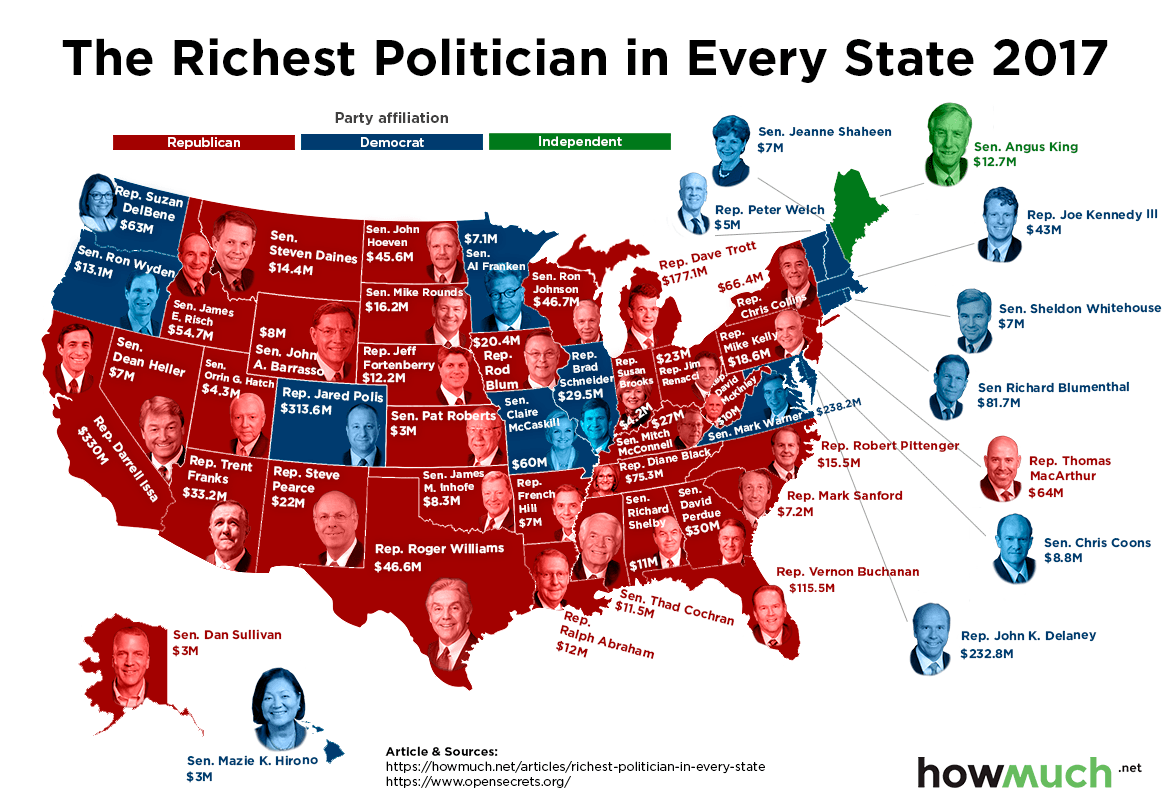
This imbalance of economic power has bleed into United States politics as well. The majority of our elected officials at the moment have very similar frames of reference, especially when it comes to their economic views, as many members of our current presidential administration have been wealthy since the day they were born. Due to this, working class people that have dealt with economic oppression do not have a seat at the current political table. Neil Postman, author of Amusing Ourselves to Death, explains a political viewpoint he observed from his father, who said, “He never doubted that there were good men among Republicans. He merely understood that they did not speak for his class.”(Postman, 133). Our two party based political system encourages actions of self interest to only ones party and supporters, rather than the american people as a whole. While I could personally not defend all of our current wealthy leaders of greed and exploitation of working class people, I believe some are guilty more of ignorance, than of hate and gleeful oppression. They are ignorant to frames of reference other than their own, which they have not been exposed to and are unlikely to have a dialogue with in this current political climate as Talton pointed out. Instead, these wealthy politicians are inclined to protect the current economic structure, as it has benefited them in their lives, and it benefits the people that they as politicians represent (often their friends and business partners). This fits in with what Citron said, as the current system of economic oppression is held up by those acting in self interest, which is boosted when there is little diversity in background among our politicians.
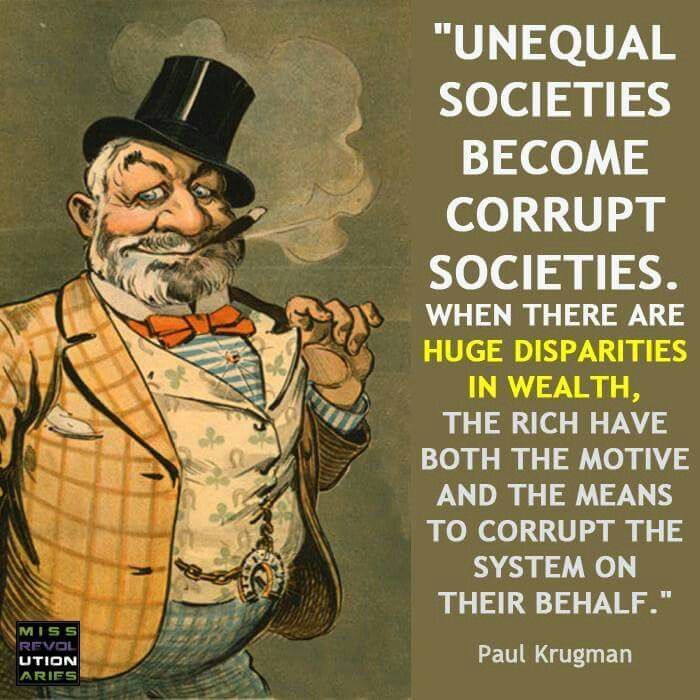
I learned while doing this project how the Frame of Reference belonging to people in positions of power plays a large role in the economic structure that exists under them. To me this signified the importance of balanced dialogue in our conversations as a society, as refusing to listen to the points that people make simply because of the party or category they fall under is ignorant to their different Frames of Reference than the ones you are used to hearing, and therefor may broaden your knowledge of the subject.
Citations
Definition of Frame of Reference (Marian Webster). (2019).
Citron, L. (2019, July 29). Group Interview of Lisa Citron [Telephone interview].
Talton, J. (2019, July 29). Interview of Jon Talton, Seattle Times [E-mail interview].
Takaki, R. (2008). A different mirror: A history of multicultural America. Boston: Little-Brown.
Postman, N. (2006). Amusing ourselves to death: Public discourse in the age of show business. New York, NY, U.S.A.: Penguin Books.
 Economic System